Newsletter Weekly Guest Statement
Larry Lockshin
Co-President UPJ
Rabbi Frankie Salzman’s drash from last week’s newsletter where he quoted a teaching in Pirkei DeRabbi Eliezer, inspired me to think about our place in the wider world. Are we in Progressive Judaism part of a growing Tower of Babel? Or are we one of the thousands of brick layers building something for all of us to live and work together? I think the answer is, we are working to build something where all Jews and everyone else can live and work together in peace, while many others are busy obstructing our tower and turning it into a babbling mess. As the people carrying the bricks fall and are not mourned because the builders are focusing on advancing their construction, we must guard against leaving some friends and supporters by the wayside as we work to build a better world.
I doubt anyone could see the Tower of Babel’s top seven miles straight up, just as we cannot see the endpoint of our own labours. But nevertheless, we continue building and remembering why and for what we are making these efforts.
For the last few months we have been touting the UPJ Biennial, B’Yachad Kadima.
Today, only 4 weeks away, we have been going through the program with final edits and clarifications. We had so many ideas of how to build something that would help us ‘move forward together’ and the program really does this. We are focusing on how to think and talk about difficult things, about Israel, and about how some of those cancelled after October 7th have responded and grown in their own creativity. We have workshops and discussions on how to engage as Progressive Jews and to work within each of our communities. We have singing and music, celebrating Shabbat together, conversing in the hallways and getting to know others from our region. We have experts and lay people, all carrying their bricks to help build our future.
There is still time to register; – For more information
Our peak organisation, the ECAJ Executive Council of Australian Jewry), just completed their trip to London representing all Australian Jews at the J7 summit of the seven largest diaspora communities (US, UK, Canada, France, Germany, Argentina, and Australia), where leaders met with UK Foreign Secretary Ed Miliband to discuss coordinated policy responses, security strategies, and a potential seven-nation framework to combat antisemitic violence. The delegation engaged with Progressive religious and political leadership at The Liberal Jewish Synagogue. The group also met with delegates representing Special Envoys and Co-ordinators Combating Antisemitism from 28 countries to discuss practical responses to antisemitism. Across the world Jews continue to bake bricks and build towers to reduce the babel, not increase it.
A reminder to consider joining the UPJ Solidarity Mission to Israel 29 May – 6 June 2027.
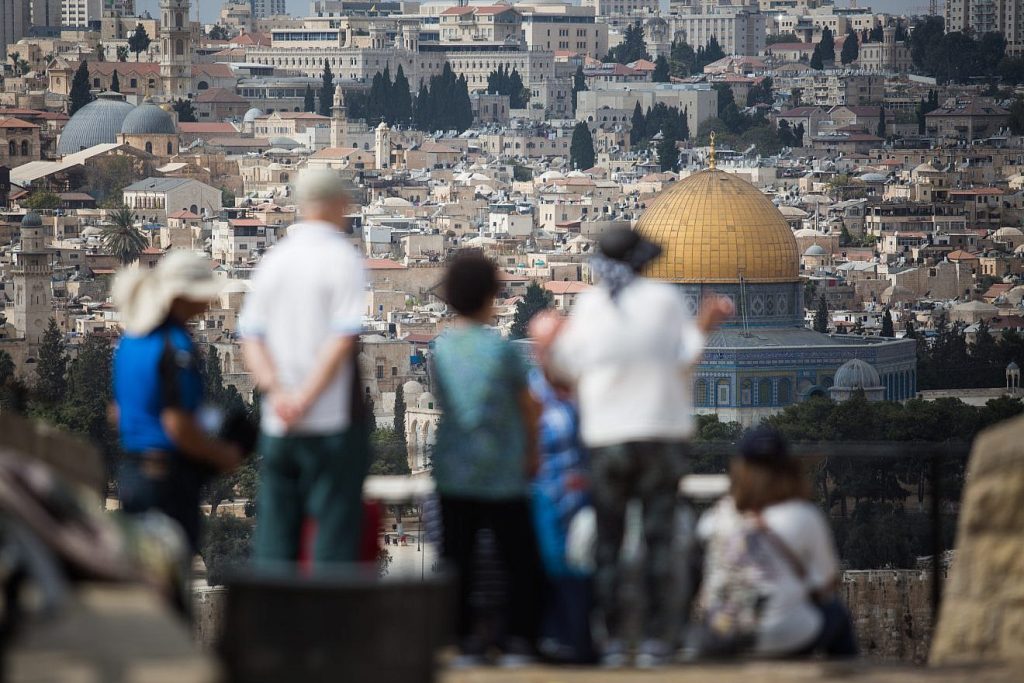
I participated in the first two missions and found it so heartening to see and feel the Israel behind the headlines and news reports. We met so many Israelis busy baking bricks and working to build a society we can all be proud of. There are many different missions and trips to Israel, but the UPJ’s Progressive Mission provides insights that you won’t read or even hear about in normal channels, along with the chance to experience a wide variety of key places and meet Progressive/Reform leaders. For more information